You’ve heard the basics: bring your own bags, skip the plastic straws, and carry a reusable water bottle. But the truth is that it’s easy to miss the hidden ways plastic creeps into your daily life. Plastic is deeply embedded in modern convenience—and sometimes, the most impactful changes aren’t the most obvious.
But first, why should you care? Yes, plastics have an environmental impact. They crowd our landfills and litter our waterways. They hurt wildlife and contribute to climate change.
And (this is important) the effects of plastic through its lifecycle, which includes its production, use, and disposal – has far-reaching negative impacts on human health. On your health! On the health of your kids, your neighbors and your communities.
Many everyday plastics contain chemicals like BPA and phthalates and are associated with many chronic health conditions including:
Plastics can also spark inflammation and stress in the body, setting the stage for chronic illness over time.
How do you get exposed? Through your skin, through the air, through water in direct and indirect ways. For example, you might drink water that has plastic contamination, and you might also eat food that’s absorbed plastic-contaminated water. And while it’s impossible to completely eliminate your exposures, reducing your exposure to toxins like these is a major part of helping your body heal and stay well. Swapping out plastics is a simple but powerful step toward protecting your health for the long run.
In addition to the usual suggestions, like forgoing plastic water bottles, and filtering your water at home, there are many other small daily swaps that have big impact.
Here are five overlooked but powerful ways to cut back on daily plastics exposure:
Plastic sneaks into our food storage more than we realize—think pasta bags, rice packaging, and snack wrappers. Many of these items can be bought in bulk using your own containers or cloth bags. Even online bulk food retailers are starting to offer paper or compostable packaging.
What to do: Bring glass jars or cloth sacks to stores with bulk sections and fill up on grains, beans, spices, nuts, and more.
That tiny string may not seem like a big deal, but most conventional dental floss is made of nylon or Teflon and comes in a plastic dispenser. Fortunately, compostable floss made from silk or bamboo fiber is now widely available, often in refillable glass containers.
Why it matters: It’s a small switch with long-term impact—especially if you floss daily.
3. Switch to Refillable Cleaning Products
Most household cleaners come in single-use plastic bottles, even the “eco-friendly” ones. But several companies now offer refill stations or send concentrated cleaning tablets or liquids in compostable packaging. They also tend to have clean, non-toxic ingredients in their formulas, reducing your exposure to chemicals that add to your toxic load.
All you have to do is drop the concentrate into a reusable spray bottle and add water. It’s cheaper, lighter to ship, and drastically reduces plastic waste.
Pro tip: Look for brands like Blueland, Grove Collaborative, or check with local zero-waste stores.
Did you know polyester, nylon, and acrylic are all forms of plastic? With every wear and every wash, synthetic clothes shed microplastics that can be absorbed through your skin or inhaled. Every wash also releases microplastics into the water system. Choosing natural, organic fibers, like cotton, hemp, or linen can help minimize toxic load and support the body’s innate healing capacity. It also helps protect our drinking water. When synthetic clothing is unavoidable, using a microfiber-catching laundry bag (like a Guppyfriend) can minimize harm.
Bonus: Natural fibers are often more breathable and comfortable too.
From shampoo and conditioner to lotion and even toothpaste, many personal care items now come in solid bar form. These bars often come in paper or reusable tins and can last just as long as bottled versions—sometimes longer. Just like your household cleaning supplies, these bar versions also tend to have clean, non-toxic ingredients in their formulas, reducing your exposure to chemicals that add to your toxic load.
Try this: Look for shampoo bars from Ethique, Lush, or local artisans. Toothpaste tablets are another great swap, often packaged in glass jars or paper pouches.
Reducing your plastic use doesn’t have to mean giving up convenience or spending a fortune. In fact, many of these overlooked swaps are more cost-effective in the long run. By looking beyond the obvious and reassessing how everyday items are packaged, stored, and used, you can make a meaningful impact on the planet—without drastically changing your lifestyle.
The key? Start small, be consistent, and stay curious. Sustainable, non-toxic living is a journey, not a destination.
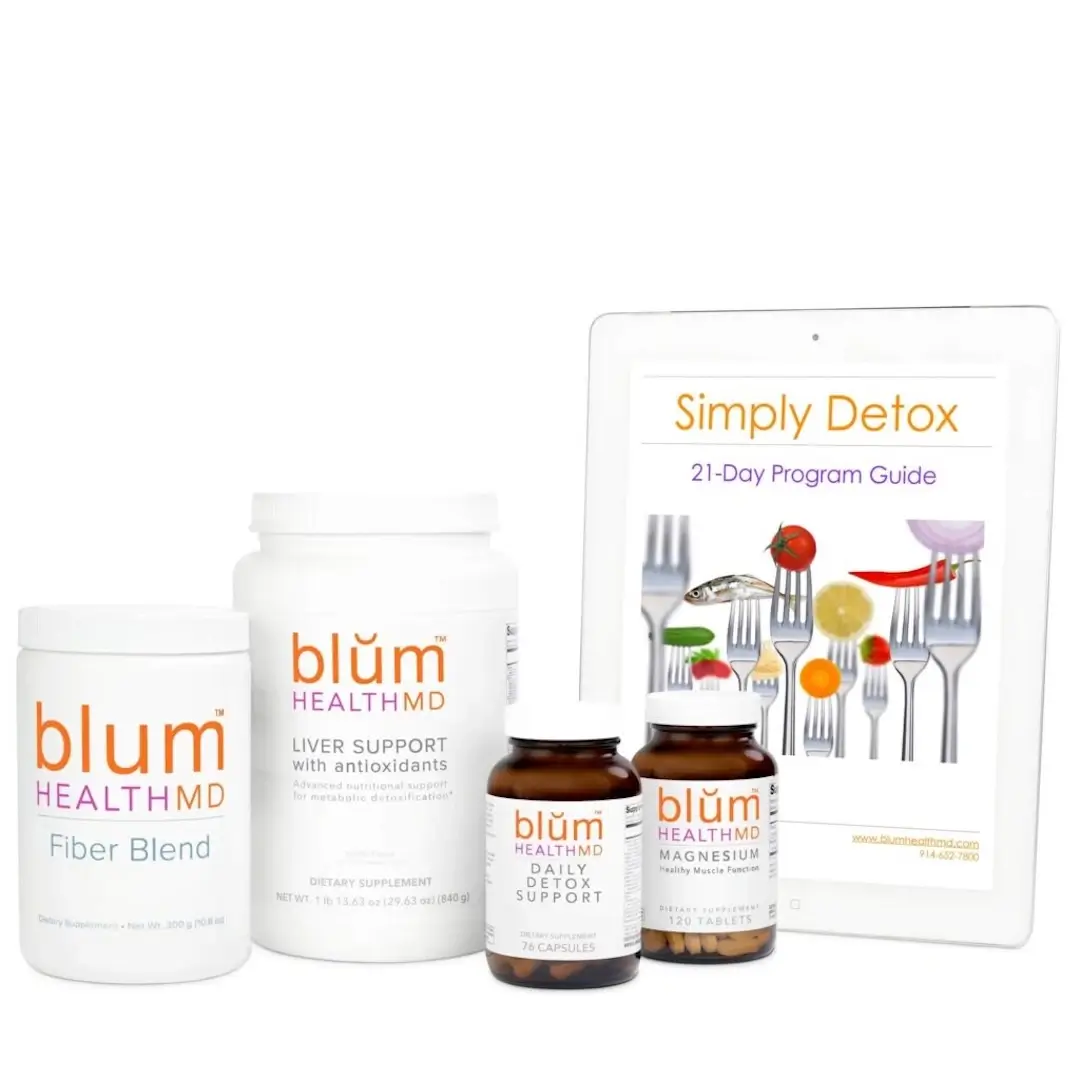
Want to evaluate and reduce your toxin load? Our resident toxin expert, Melissa Rapoport, MA can help. Using lifestyle assessments, functional medicine toxin testing, and personalized plans that include detox nutrients and supplements (if needed), Melissa will take you on a deep dive to root out and reduce your exposure.